



“Gratitude turns what we have into enough.” – Aesop.
As 2025 winds down and Thanksgiving approaches, many leaders are taking a collective breath. It’s been a year of change, challenge, and quiet triumphs, not always loud victories, but steady moments of growth that tested our patience, adaptability, and compassion. If you’ve found yourself navigating uncertainty, balancing exhaustion with determination, or holding space for your team when things felt uncertain, you’re not alone. This Thanksgiving is more than just a holiday; it’s a pause to reflect on what truly sustains outstanding leadership: people.
The Power of Patience in Uncertain Times
Patience might not rank at the top of every leadership skills list. Still, this year it’s been the invisible thread holding teams together. Deadlines shifted. Plans changed overnight. People burned out. Yet, the leaders who paused instead of pushing, who listened instead of rushing, discovered something remarkable: Patience builds trust. When you allow your team (and yourself) the space to catch up emotionally and mentally, you create room for clarity and innovation.
One leader I spoke with this fall shared how she stopped scheduling back-to-back meetings and started protecting 10 minutes between calls for her team to breathe and reset. The result? Less burnout, better communication, and stronger collaboration. Patience, it turns out, is not about slowing progress; it’s about ensuring progress lasts.
Adaptability: The Quiet Strength Behind Every Comeback
2025 has reminded us that adaptability is more than reacting to change; it’s choosing to grow through it. Whether it was a shifting economy, evolving team structures, or the continued rise of hybrid work, the most resilient leaders stayed flexible, not just in their strategies, but in their mindset.
Adaptable leaders don’t cling to “how things used to be.” They ask, “What can we learn from this?” When challenges arrived this year, and they did, often unexpectedly, those who adapted quickly found new ways to serve, support, and succeed.
A young manager reflected on this lesson after her department went through a sudden reorganization. Instead of fighting the change, she leaned in, reframed her role, and helped her team see new opportunities. Her adaptability became contagious, a stabilizing force amid uncertainty. That’s what leadership through thankfulness looks like: not ignoring the hardship, but finding gratitude in the growth that follows.
Compassion: The Currency of True Leadership
This year also reminded us that compassion isn’t soft, it’s powerful. Many leaders discovered that the most important thing they could offer wasn’t a new strategy, but empathy. Recognizing the human side of work, the fatigue, the fears, the quiet struggles, has become a cornerstone of strong leadership.
Compassion builds psychological safety, and psychological safety builds trust. When people feel seen and valued, they give their best. A simple check-in message, a flexible workday, or a genuine “How are you doing, really?” can shift a team’s entire energy. Gratitude without compassion can feel performative; compassion without gratitude can feel heavy. But when you lead with both, you lead with humanity.
Thankfulness as a Leadership Strategy
Thanksgiving isn’t just a time to give thanks; it’s an opportunity to model gratitude as a leadership practice. Gratitude helps us zoom out from the chaos and see the bigger picture. It reframes pressure into purpose and keeps us connected to what truly matters: people, relationships, and shared effort.
This week, take a moment to reach out to your team. Send a short message expressing your appreciation. Mention specific moments where they showed resilience or supported one another. Those words will matter more than you realize.
And then, encourage them to rest. Yes, rest. Actual productivity comes from restoration, not endless motion. Remind your team that time off is not a reward for hard work; it’s an essential part of it. When leaders model gratitude and rest, they give their teams permission to do the same, creating cultures of trust and renewal that last far beyond the holidays.
A Simple Leadership Reflection for the Holiday
As you step into the Thanksgiving weekend, take 15 minutes to pause and reflect. Grab a notebook, sit with your favorite warm drink, and answer these three prompts:
What are the top three leadership lessons 2025 taught me?
Who on my team am I most grateful to, and have I told them?
How can I lead with more patience, adaptability, and compassion in 2026?
Reflection isn’t indulgence, it’s investment. It strengthens perspective and helps you grow from experience rather than just go through it. Gratitude transforms hindsight into foresight.
A Final Word of Thanks
Leadership isn’t about being perfect; it’s about being present. This year has tested every one of us, but it’s also reminded us that the heart of leadership is deeply human. As you celebrate Thanksgiving, may you find moments of peace, appreciation, and renewed purpose. Lead with thankfulness, and you’ll always have enough, enough wisdom, enough connection, enough courage to keep growing.
If you’re ready to continue growing as a leader in the coming year, subscribe to the EXCEL2WIN Leadership Newsletter for weekly insights, reflection tools, and strategies to help you lead with confidence, empathy, and purpose, both at work and in life.
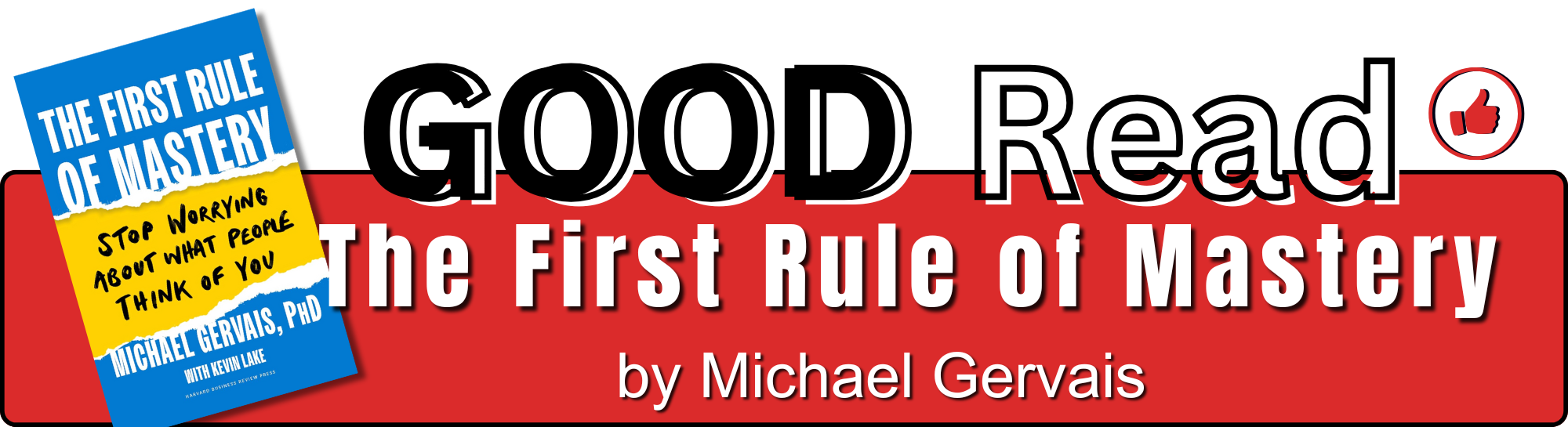
The First Rule of Mastery: Stop Worrying About What People Think of You
In a world where every decision seems to come with an audience, Michael Gervais’ The First Rule of Mastery delivers a breath of fresh air for anyone tired of chasing approval. Gervais, a high-performance psychologist, introduces the concept of “FOPO,” the Fear of Other People’s Opinions, and shows how it quietly limits our growth, confidence, and creativity. Through research, stories, and actionable tools, he guides readers to shift their focus inward, mastering their mindset instead of seeking validation.
This idea ties beautifully to our reflections on Grateful Leadership, where patience, adaptability, and compassion begin with self-awareness. Just as leading with gratitude helps us build authentic connections, mastering our fear of judgment allows us to lead boldly and with purpose. Gervais reminds us that true mastery isn’t about perfection; it’s about presence, the courage to act according to our values, not others’ expectations.
If you’re ready to silence self-doubt and lead with greater confidence, The First Rule of Mastery is your next must-read.
Order your copy today and subscribe to the EXCEL2WIN Leadership Newsletter for more insights on leading with purpose, resilience, and authenticity.
Leaders don’t talk about patience, adaptability, and compassion enough, but this year forced all of us to actually live them. What I love about this reflection is the reminder that leadership isn’t loud; it’s the small, daily choices that keep teams steady when everything else moves.
Pausing instead of pushing. Adapting instead of anchoring to the past. Choosing compassion even when the pace feels unforgiving.
If 2025 taught us anything, it’s that gratitude isn’t a soft skill, it’s a stabilizer. And sometimes the most powerful thing a leader can do is simply say thank you, mean it, and give people room to breathe.