
“Leadership is not about a title or a designation. It’s about impact, influence, and inspiration.” — Robin S. Sharma.
A young professional once said, “I want to lead, but I’m not a manager yet… so I don’t really have influence.”
That belief is more common than you think.
In last week’s article, Career Strategy vs. Career Hustle, we talked about the importance of being intentional instead of just staying busy. This week, we take that idea one step further. Because even if you become more strategic, there is still one question that matters:
Can you influence others?
Welcome to part three of our series, Career Ownership and Strategic Growth.
The Myth About Influence
Many people believe influence comes with a title.
Manager. Director. Executive.
But in reality, titles may give you authority, not influence.
Authority can make people listen.
Influence makes people believe.
And belief is what drives action.
If you wait for a title before you start leading, you delay your growth. The truth is, some of the most influential people in any organization have no formal authority at all.
What Influence Really Means
Influence is your ability to shape decisions, inspire action, and build trust.
It is not about control. It is about connection.
When people trust you, respect your perspective, and value your input, you gain influence. Not because you were told to lead, but because others choose to follow your thinking.
And that is where real leadership begins.
The Three Foundations of Influence
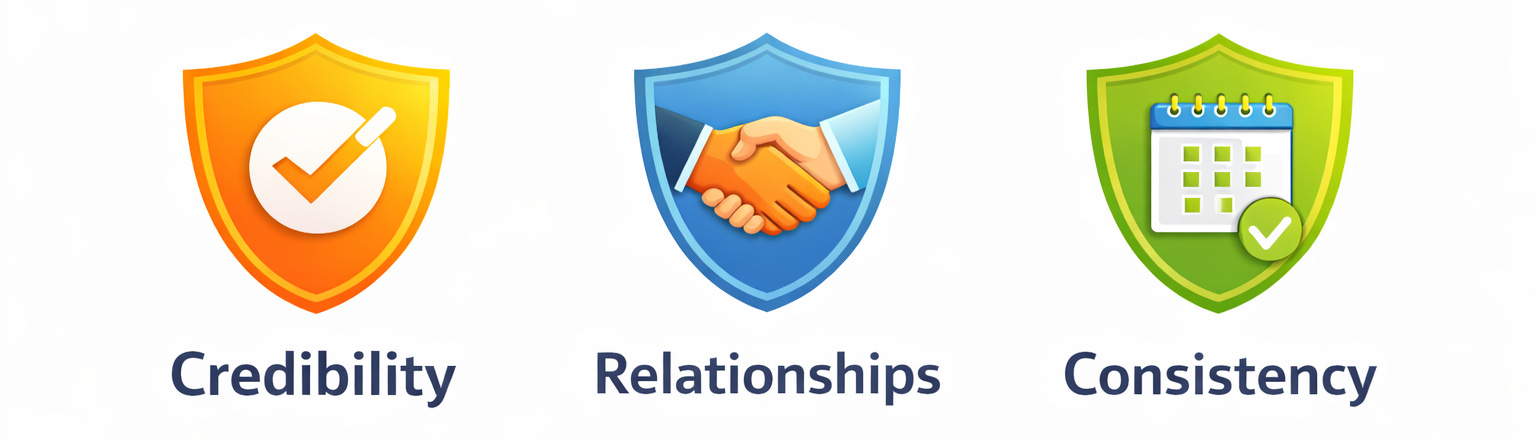
If you want to build influence without authority, focus on three key areas: credibility, relationships, and consistency.
1. Credibility: Do You Deliver?
Credibility is your foundation.
People ask themselves, even if they do not say it out loud:
“Can I rely on this person?”
You build credibility by:
Delivering high-quality work
Following through on commitments
Being prepared and informed
It sounds simple, but it is powerful.
When you consistently do what you say you will do, people start to trust your judgment. And once they trust your work, they begin to trust your voice.
Credibility turns your words into weight.
2. Relationships: Do People Trust You?
Influence does not happen in isolation.
It happens through people.
You can be the smartest person in the room, but if no one feels connected to you, your ideas will not go far.
Building relationships means:
Listening more than you speak
Showing genuine interest in others
Supporting your team, not just your own success
When people feel respected and understood, they become more open to your ideas.
Influence grows in environments where trust exists.
3. Consistency: Can People Count on You?
Consistency is what turns moments into momentum.
Anyone can show up once. Leaders show up every time.
Consistency looks like:
Bringing the same level of effort each day
Staying calm and reliable under pressure
Acting with integrity, even when it is hard
Over time, people begin to associate you with stability and dependability.
And that builds influence faster than any title ever could.
How Influence Shows Up in Everyday Work
You do not need a leadership role to start leading.
Influence shows up in small, everyday actions.
It looks like:
Speaking up with thoughtful ideas in meetings
Helping a teammate solve a problem
Asking questions that move the conversation forward
Offering solutions instead of just pointing out issues
These moments may seem small, but they send a clear message:
You are not just participating. You are contributing.
And contribution is the first step toward leadership.
A Simple Example
Imagine two employees.
One completes their tasks quietly and keeps their head down.
The other also delivers strong work, but they ask questions, share insights, and support others.
Over time, who do people start to listen to?
Who gets invited into bigger conversations?
Who becomes a trusted voice?
It is not about who talks more. It is about who adds value.
That is influence in action.
The Shift from Waiting to Leading
Many professionals wait for permission to lead.
They think, “Once I get promoted, then I will step up.”
But influence works the other way around.
You step up first. Then opportunities follow.
When you build credibility, invest in relationships, and show up consistently, people begin to see you differently.
Not just as someone who does the work.
But as someone who helps move the work forward.
Bringing It All Together
Influence is not something you are given.
It is something you build.
If you want to grow in your career, focus on:
Earning trust through your work
Building strong, authentic relationships
Showing up with consistency every day
That is how you lead without a title.
That is how you create impact before recognition.
And that is how you position yourself for the next level.
Your Next Step
This week, focus on one simple action:
Add value in one conversation.
Share an idea. Ask a thoughtful question. Offer support.
It may feel small, but it is how influence begins.
If you are ready to grow your leadership presence and make a bigger impact, subscribe to the EXCEL2WIN Leadership Newsletter for weekly insights, tools, and strategies to help you lead with confidence and purpose.
Next week, we will tackle a powerful and often uncomfortable skill: how to advocate for yourself without sounding arrogant. Because your voice matters, and learning how to use it effectively can change your career.
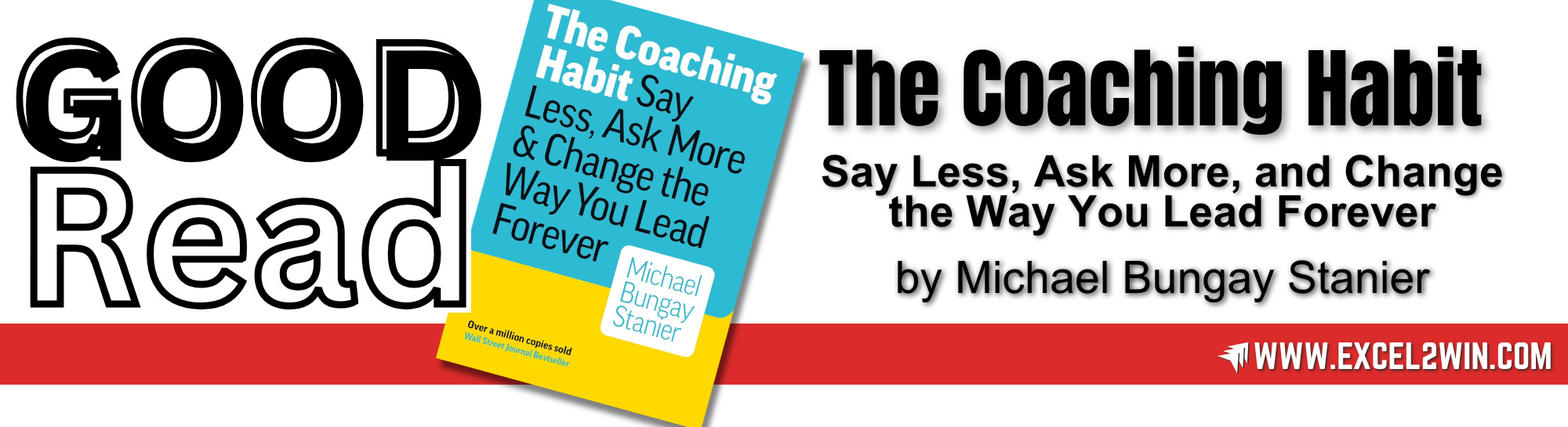
The Coaching Habit
If you want to build real influence without relying on a title, The Coaching Habit by Michael Bungay Stanier is a must-read.
At its core, this book teaches a simple but powerful idea: great leaders don’t give all the answers—they ask better questions. Stanier introduces seven practical questions that help you guide conversations, support others, and create meaningful impact without needing authority. It’s not about control; it’s about curiosity.
This connects directly to our recent article, How to Build Influence Without Authority. Influence grows through credibility, relationships, and consistency—and this book strengthens all three. By asking thoughtful questions, you show respect, build trust, and position yourself as someone people want to listen to.
What makes this book stand out is how easy it is to apply. You can start using these questions in your very next conversation, whether in a meeting or a one-on-one.
If you are ready to lead through connection instead of command, this book is a game-changer.
Take the next step in your growth. Grab your copy of The Coaching Habit today and subscribe to the EXCEL2WIN Leadership Newsletter for more insights to help you lead with confidence and purpose.