“Feeling gratitude and not expressing it is like wrapping a present and not giving it.” – William Arthur Ward
Picture this: it’s another Monday morning. The economy’s uncertain, projects are piling up, and everyone’s running on caffeine and hope. You walk into your team meeting, and the energy feels… flat. It’s not that people aren’t working hard; they are, but there’s tension in the air. Everyone’s worried, tired, and maybe even a little disconnected.
Now imagine this same meeting, but it starts differently. You begin by thanking a colleague for going the extra mile on a challenging project. Someone else chimes in with appreciation for a teammate who stayed late last week. The room shifts. Shoulders relax. Smiles appear. In just a few minutes, you’ve changed the atmosphere from stress to strength.
That’s the power of gratitude, and in tough economic times, it’s not just a “nice-to-have.” It’s a game-changer.
Gratitude Isn’t Soft—It’s Strategic
Let’s be honest: when things get difficult at work, gratitude is often the first thing to disappear. Leaders focus on numbers, employees focus on survival, and everyone’s just trying to make it through the week. But that’s exactly when appreciation matters most.
Gratitude strengthens the social fabric that holds a team together. When people feel seen and valued, they’re more likely to stay engaged, loyal, and motivated even when budgets are tight or change is constant. It’s not about ignoring problems or pretending everything’s perfect; it’s about recognizing the effort, perseverance, and small wins that keep progress moving.
Research backs this up. Studies from organizations like Harvard Business School and UC Berkeley show that teams led by appreciative leaders have higher trust levels, lower burnout, and stronger performance under pressure. Gratitude builds emotional resilience, and that’s the hidden fuel of successful organizations.
Rebuilding Morale One Thank-You at a Time
You don’t need a big budget to create a culture of gratitude. You just need consistency and sincerity. Start with something small and tangible.
1. Write three personal thank-you notes this week.
Handwritten or digital, it doesn’t matter. What matters is that it’s personal and specific. “Thanks for your help” is nice. “Thanks for jumping in to help with the client proposal when the deadline shifted. Your calm focus helped us deliver on time” is meaningful.
When people receive genuine gratitude, they don’t just feel appreciated; they feel trusted. They know their contributions matter, and that’s what motivates them to keep giving their best.
2. Publicly celebrate small wins at team meetings.
Recognition doesn’t always have to wait for big results. Highlight progress along the way. Maybe your intern improved a process, or your sales rep handled a demanding client with grace. Call it out. When you celebrate small wins, you remind everyone that progress, no matter how modest, is worth noticing.
3. Start a “Wall of Gratitude” channel or board.
In remote or hybrid teams, create a digital space where people can post shoutouts and thank-yous. In offices, dedicate a whiteboard or hallway wall for the same purpose. Encourage team members to post daily or weekly notes of appreciation. Over time, this wall becomes a visual reminder that good work is happening even when challenges persist.
4. Turn Thanksgiving season into a “Month of Thanks” challenge.
Don’t limit gratitude to one holiday. For the entire month, encourage all leaders, managers, and team members to express appreciation at least once a day. It could be through notes, emails, or quick verbal thank-yous. Make it a challenge with small rewards or shoutouts. The goal isn’t competition, it’s connection.
Why Gratitude Matters More Than Ever
In uncertain times, fear and fatigue spread quickly. Gratitude interrupts that cycle. It creates a positive feedback loop that reminds people they’re part of something worthwhile. When leaders express appreciation authentically, trust grows. When trust grows, collaboration strengthens. And when collaboration strengthens, performance follows.
Think of gratitude as a leadership tool that multiplies value without costing a dime. It builds emotional capital, something money can’t buy, but every thriving organization depends on.
The Ripple Effect
Gratitude doesn’t just rebuild motivation at work; it spills over into life outside of it. People who feel valued at work often show greater patience at home, more kindness toward others, and greater confidence in themselves. That’s what makes gratitude powerful. It’s contagious.
As you lead through these challenging times, remember that strategy isn’t just about numbers or efficiency. It’s about people, and people perform their best when they feel appreciated. A simple “thank you” might seem small, but its ripple can rebuild trust, boost morale, and remind everyone why the work matters.
Your Challenge This Week
Start small. Write those three thank-you notes. Celebrate a small win in your next meeting. Launch a gratitude board or Slack channel. Lead by example and watch how quickly gratitude starts to spread.
Gratitude isn’t just about being nice; it’s about being intentional. It’s about choosing connection over criticism, encouragement over exhaustion. In a world where many feel unseen, your appreciation could be the light someone needs to keep going.
So go ahead, make gratitude your leadership strategy this season. It’s one investment that always pays off.
Ready to grow as a leader who inspires connection and results?
Subscribe to the EXCEL2WIN Leadership Newsletter for weekly insights, stories, and tools designed to help you lead with purpose, power, and authenticity.
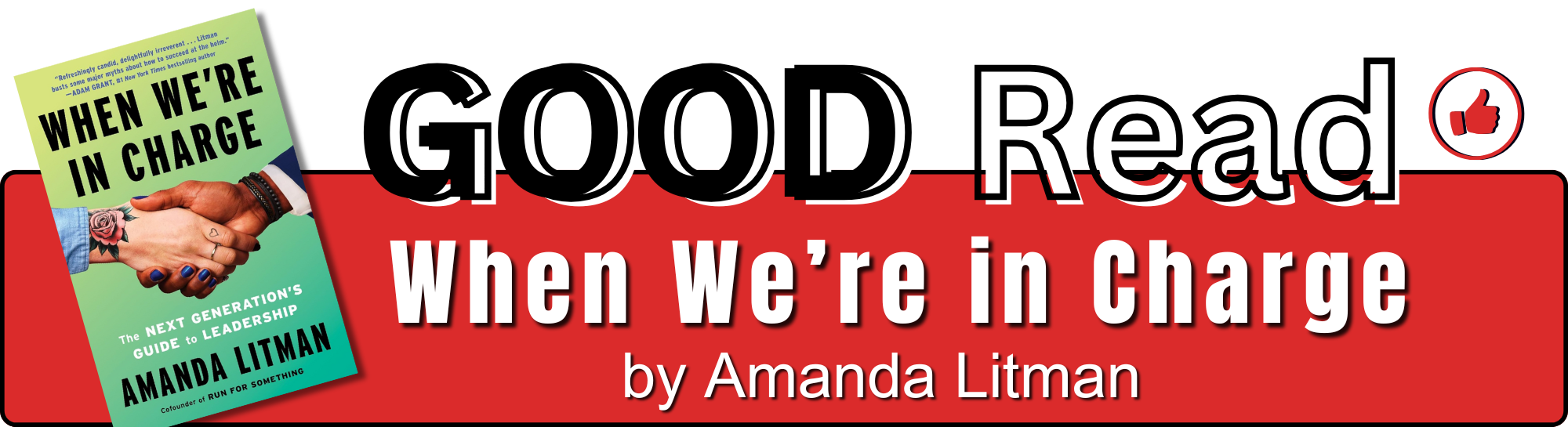
When We’re in Charge: The Next Generation’s Guide to Leadership
Amanda Litman’s When We’re in Charge isn’t just another leadership manual—it’s a bold manifesto for the next generation stepping up to lead in a world that’s rewriting the rules of work. Litman speaks directly to Millennials and Gen Z professionals who crave purpose, balance, and authenticity, offering practical strategies for leading with empathy without burning out. She challenges outdated notions of “command and control” leadership, instead championing flexibility, inclusivity, and gratitude as strategic essentials—not soft skills.
Much like the ideas explored in The Gratitude Effect: Rebuilding Trust and Motivation at Work, Litman’s message is clear: appreciation, transparency, and emotional agility are the new foundations of influence. She shows readers how to create workplaces where people feel valued, trusted, and motivated to bring their best—not out of fear, but out of belonging.
Through stories, exercises, and real-world insights, When We’re in Charge reminds us that leadership today isn’t about position—it’s about connection.
If you’re ready to lead with purpose and turn modern challenges into opportunities, grab your copy of When We’re in Charge today—and don’t forget to subscribe to the EXCEL2WIN Leadership Newsletter for more inspiring tools and insights to help you lead and live with impact.