“He who conquers himself is the mightiest warrior.” — Confucius.
It was a Monday morning, and the inbox was already full before the coffee finished brewing—meetings stacked back-to-back. Slack messages piling up. A quiet pressure humming in the background: I need to do more. I need to prove myself.
If you’ve ever started your week like this, you’re not alone. Many young professionals believe leadership begins when someone gives them a title, a team, or authority. But the truth is more straightforward and more powerful.
This article kicks off our February leadership series, Lead Yourself First, where we’ll explore the skills every modern leader must master before leading others. Over the next few weeks, we’ll dive into discipline, emotional intelligence, and values—because leadership doesn’t start with a title, it starts with how you show up.
Leadership doesn’t start with others.
It starts with you.
Why Self-Leadership Comes First
Self-leadership is the ability to manage your thoughts, emotions, habits, and actions, especially when no one is watching. It’s how you show up when things are hard, unclear, or uncomfortable. And in today’s fast-changing workplace, it has become the ultimate leadership advantage.
Why? Because organizations are flatter, expectations are higher, and certainty is rare. Managers don’t have time to micromanage. Teams rely on people who can think, decide, and act responsibly on their own. Leaders are no longer chosen only for what they know, but for how they operate.
When you lead yourself well, others notice. Trust grows. Opportunities follow.
The Quiet Difference Between Reacting and Leading
Many professionals spend their days reacting, responding to emails, jumping between tasks, and putting out fires. It feels productive, but it rarely feels powerful. Self-leadership shifts you from reaction to intention.
Instead of asking, What do they want from me today?
You begin asking, Who do I want to be today?
That slight shift changes everything.
A self-led professional doesn’t wait for motivation. They create structure. They don’t blame circumstances. They adapt. And they don’t need constant validation, because their confidence comes from internal alignment, not external approval.
Discipline Without the Burnout
Let’s clear something up: discipline does not mean overworking yourself into exhaustion. Real discipline is about consistency, not intensity.
Self-led leaders focus on a few daily non-negotiables:
Showing up prepared
Following through on commitments
Managing energy, not just time
They understand that small actions, repeated daily, build trust faster than big gestures once in a while. Sending the follow-up, asking thoughtful questions, and finishing what you start. These are leadership behaviors, even when no one applauds them.
And here’s the surprising part: discipline actually creates freedom. When your habits are solid, your stress goes down. Your confidence goes up. You stop feeling behind.
Emotional Intelligence: The Hidden Edge
One of the most potent parts of self-leadership is emotional awareness. Leaders who can recognize what they’re feeling, and why, have a considerable advantage.
Instead of snapping in frustration, they pause.
Instead of avoiding tough conversations, they prepare for them.
Instead of taking feedback personally, they listen.
Emotional intelligence isn’t about being soft. It’s about being steady. When others feel overwhelmed, self-led professionals serve as a grounding force. And in any organization, calm is contagious.
Ask yourself:
How do I usually respond under pressure?
What emotions tend to drive my decisions?
Do my reactions help or hurt my credibility?
Awareness is the first step toward control.
Values: Your Internal Compass
Self-leadership becomes much easier when you’re clear on your values. Values guide decisions when rules don’t exist. They help you say yes to the right things, and no to distractions that look good but feel wrong.
When your actions align with your values:
Decisions feel cleaner
Confidence feels quieter but stronger.
Regret fades
You don’t need to have everything figured out. You need clarity on what matters most right now.
Why Self-Leadership Gets You Noticed
Here’s the irony: people who chase leadership titles often struggle to earn them. But people who consistently lead themselves tend to attract responsibility naturally.
Managers trust them.
Peers rely on them.
Teams respect them.
Not because they’re perfect, but because they’re intentional.
Self-leadership sends a clear message: I am accountable. I am dependable. I am growing.
And in any organization, those qualities are rare—and valuable.
Start Where You Are
You don’t need permission to lead yourself better. You don’t need a new role, a new year, or a perfect plan.
Start small:
Choose one habit to strengthen.
Choose one reaction to improve.
Choose one value to act on today.
Leadership is built in moments, not milestones.
Your Challenge This Week
Pick one area of self-leadership, discipline, emotional control, or values, and practice it intentionally for the next seven days. Notice how you feel, how you respond, and how others respond to you.
Because when you lead yourself well, everything else begins to follow.
This is just the beginning. In the next article, we’ll explore how to build daily discipline without burning out—and why consistency, not hustle, is what truly separates leaders from everyone else.
If this message resonated with you, subscribe to the EXCEL2WIN Leadership Newsletter for weekly insights designed to help you grow with clarity, confidence, and purpose. Your leadership journey doesn’t start someday—it starts now.
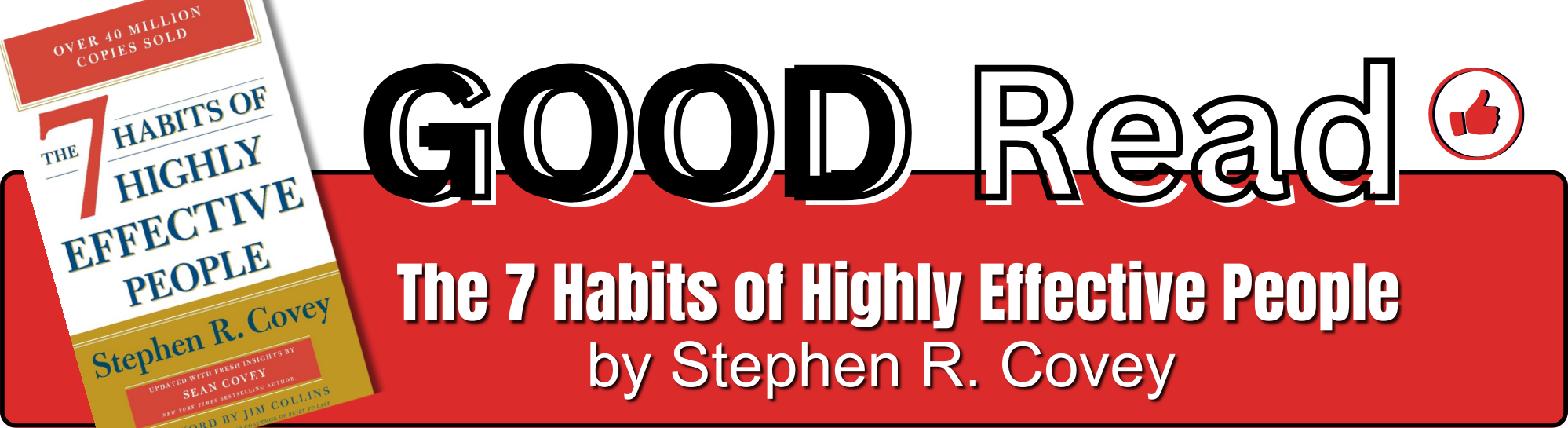
The 7 Habits of Highly Effective People
Some books don’t just give advice—they change how you see yourself. The 7 Habits of Highly Effective People by Stephen R. Covey is one of those rare leadership classics that remain relevant regardless of how the workplace evolves.
At its core, this book is about leading from the inside out. Covey explains that true effectiveness starts with personal responsibility, self-awareness, and values—not titles or authority. The first three habits focus on self-leadership: being proactive, clarifying priorities, and acting with intention. These ideas align directly with the article Why Self-Leadership Is the New Leadership Advantage, which emphasizes that leadership begins long before anyone is watching.
Covey doesn’t promise quick wins or shortcuts. Instead, he shows how small, consistent choices shape character, credibility, and long-term success. Later habits expand into relationships, collaboration, and renewal, reminding readers that effective leaders manage both performance and well-being.
What makes this book a must-read is its timeless message: when you lead yourself well—your time, emotions, and decisions—you naturally become someone others trust and follow.
If you’re serious about building leadership that lasts, this book belongs on your shelf.